
From “The Shot” to the Scalpel: Prepping for Body Contouring After GLP-1 Weight Loss
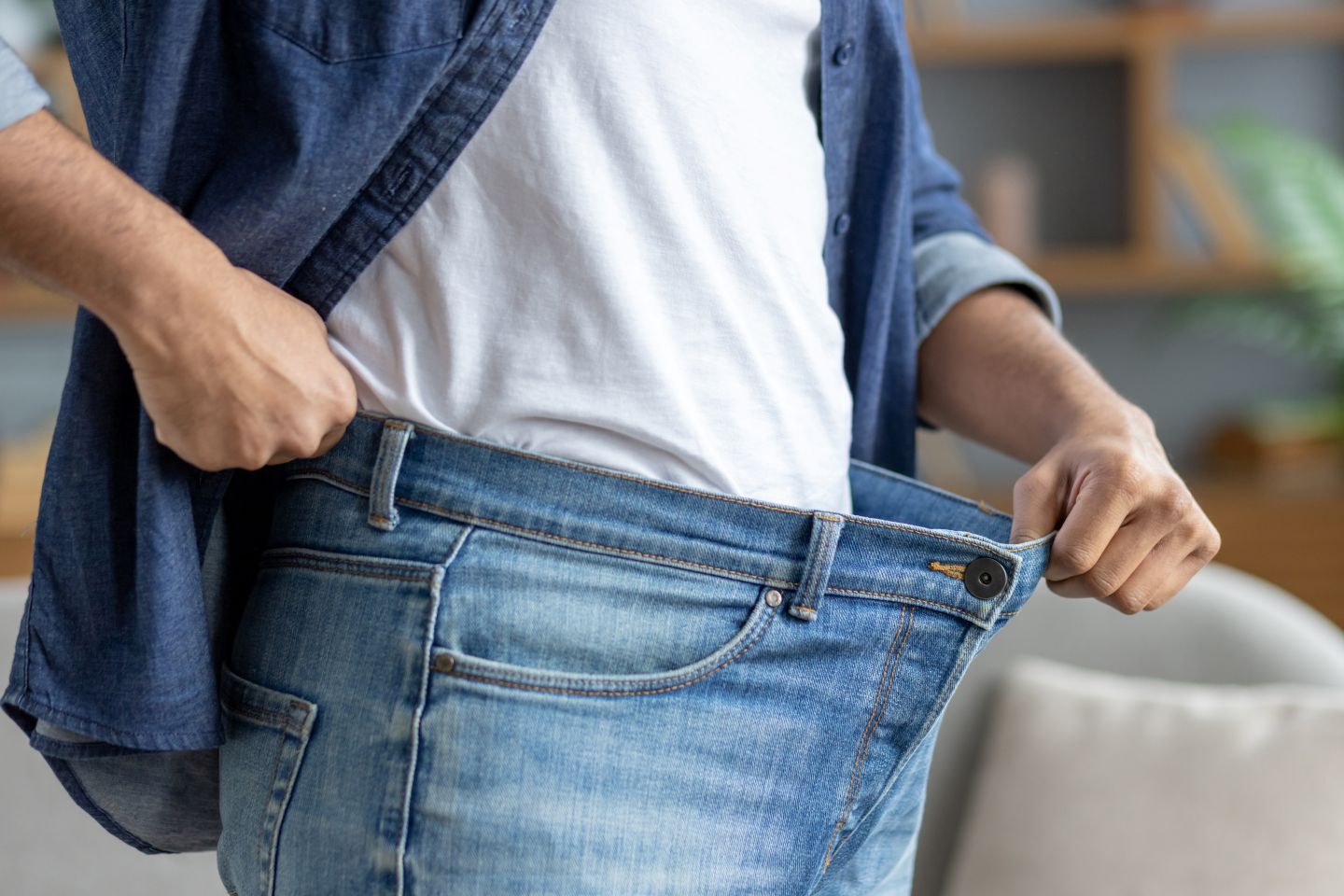
So, you did it. You navigated the world of GLP-1s (shoutout to Ozempic, Wegovy, and Zepbound), weathered the “Ozempic face” headlines, and hit a goal weight you once thought was a fever dream. But now, you’re facing a new reality: the “empty suit” of skin left behind.
Moving forward with body contouring is the final lap of this marathon. But surgery after rapid weight loss isn’t quite the same as a standard procedure. Your body has been through a metabolic metamorphosis, and we need to make sure it’s primed to heal.
Here is your definitive guide to preparing for plastic surgery after the GLP-1 journey.
1. The GLP-1 “Hold”: A Safety Must
This is the most critical piece of advice: Talk to your anesthesiologist about your medication schedule.
GLP-1s work by slowing down gastric emptying (how fast food leaves your stomach). While that’s great for weight loss, it’s a major risk factor during surgery because of aspiration.
- The Standard: Most surgeons and the American Society of Anesthesiologists now recommend stopping GLP-1 agonists at least one week prior to surgery.
- The Caveat: Some surgeons may want you off them for two weeks. Do not “forget” to mention your medication—your safety depends on an empty stomach during anesthesia.
2. Prioritize “Healing Fuel” (Protein, Protein, Protein)
Rapid weight loss can sometimes lead to nutritional gaps or muscle loss. Surgery recovery requires a massive amount of “building blocks” to knit skin and tissue back together.
- The Goal: Aim for 80–100g of protein per day in the weeks leading up to your date.
- Supplements: Ask your doctor about starting a high-quality multivitamin, Vitamin C, and Zinc, which are essential for wound healing.
- Avoid: Stay away from anti-inflammatory supplements like fish oil, Vitamin E, and turmeric two weeks out, as these can increase bruising and bleeding.
3. Stability is Key
It’s tempting to rush to the operating table the second you see your goal weight on the scale. However, the best surgical results come from weight stability.
- The 3-6 Month Rule: Most plastic surgeons recommend your weight be stable for at least 3 to 6 months before body contouring.
- Why? If you are still actively losing weight, you might end up with additional skin laxity shortly after your “tummy tuck” or “360 lippo,” effectively undoing the surgical precision.
4. Optimize Your Skin’s Elasticity
While surgery removes the excess, you want the skin that stays to be as healthy as possible.
- Hydration: Water is the literal “lube” for your cellular repair. Drink half your body weight in ounces daily.
- Stop Nicotine: This is non-negotiable. Nicotine constricts blood vessels and is the #1 cause of skin death (necrosis) and wound complications in plastic surgery. Most surgeons require you to be 100% nicotine-free for 4–6 weeks before and after.
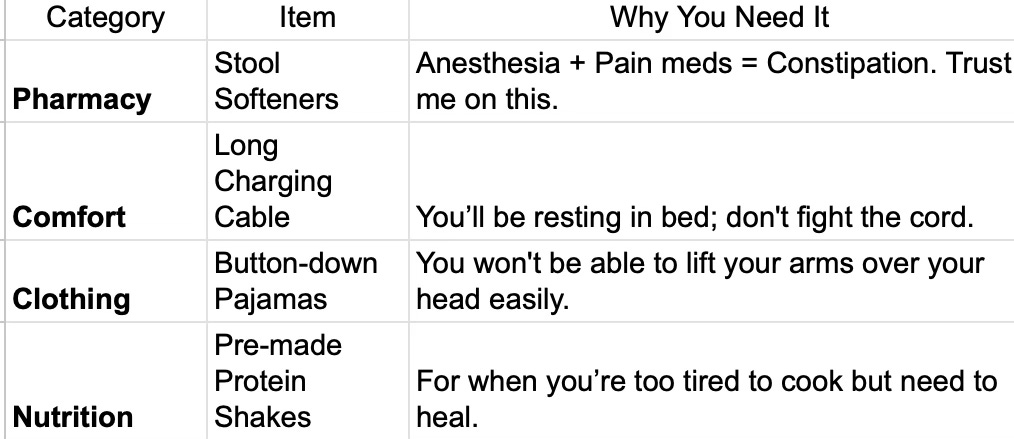
The Pre-Op Checklist: Your “Surgery Survival” Kit
The Mental Pivot
Moving from “weight loss mode” to “recovery mode” can be a trip. For months (or years), you’ve focused on a calorie deficit. Post-surgery, you must eat to heal. Your body needs calories to repair the significant trauma of surgery. Give yourself permission to shift gears—your results depend on it.
Body contouring is the ultimate “gift to self” after the hard work of weight loss. By prepping your body with the same discipline you used for your GLP-1 journey, you’re ensuring those results are nothing short of spectacular.
Schedule your consultation with Dr DiFrancesco to hear more about your options.

Dr. Lisa DiFrancesco
Dr. Lisa DiFrancesco is a female board-certified plastic surgeon based in Atlanta, GA. Her specialties include, but are not limited to, body contouring after weight loss, skin tightening after weight loss, and abdominoplasty. She has won Castle Conolly Top Doctor for several years in a row, among other prestigious awards. Her expertise and experience makes her uniquely qualified to provide the utmost care and treatment for every patient.


