
Am I a Good Candidate for Breast Augmentation?

Breast augmentation is one of the most popular cosmetic surgery procedures performed across the country, and for women in Atlanta, GA, the decision to move forward starts with understanding whether the procedure is the right fit for your body, your health, and your goals. This guide covers the key factors that determine candidacy, the health considerations your surgeon will evaluate, what to expect from the process, and when breast augmentation may or may not be the right choice. Individual results and candidacy vary, always consult with a qualified plastic surgeon before making any decisions.
What Makes Someone a Good Candidate for Breast Augmentation?
Determining whether you’re a good candidate for breast augmentation involves several factors that your surgeon will review during a thorough consultation. No two patients are the same, and candidacy is always assessed on an individual basis. That said, there are general guidelines that help determine who tends to benefit most from this cosmetic surgery.
Most women who are strong candidates share a few common characteristics: they are in good physical health, they have fully developed breasts, they maintain a healthy weight, and they have realistic expectations about what breast augmentation surgery can and cannot achieve. Motivation also matters. Candidates who are pursuing the procedure for their own reasons, rather than to satisfy someone else’s expectations, tend to report greater satisfaction with their results.
Age Requirement and Breast Development
There is an age requirement associated with breast implant surgery. The FDA approves saline implants for women aged 18 and older and silicone implants for women aged 22 and older for cosmetic augmentation. These guidelines exist to ensure that candidates have fully developed breasts before undergoing augmentation.
Breast tissue needs to be fully developed before implants are placed. Undergoing breast augmentation before development is complete can affect the final outcome and may introduce additional risks.
Good Health and Medical Considerations
Good health is a foundational requirement for any surgery, and breast augmentation is no exception. Your surgeon will review your medical history in detail to understand any medical conditions that could affect your safety or recovery. Certain conditions may disqualify a person from undergoing this procedure until those issues are properly managed.
Patients with a personal or family history of breast cancer should discuss this openly with their plastic surgeon. Breast augmentation does not increase cancer risk, but your medical history may influence the type of implants recommended, the placement approach, and the imaging protocols used for future monitoring. Women who have undergone a mastectomy may also be candidates for breast augmentation as part of reconstruction, a separate and specialized conversation with your surgeon.
Medical issues like autoimmune conditions, blood clotting disorders, or compromised immune function are also factors your surgeon will weigh carefully. Being transparent about your overall health gives your provider the full picture they need to determine whether this cosmetic procedure is appropriate for you.
Weight Stability and Body Considerations
Surgeons generally recommend that candidates be at or near a healthy weight and have maintained weight stability for several months before undergoing breast augmentation. Significant weight fluctuations after surgery can affect the shape, position, and appearance of the breasts and implants over time.
Body composition and existing breast tissue also influence the procedure planning. The amount of natural breast volume you have, your skin quality, and the shape of your chest wall all factor into which implant type, size, and placement approach is most appropriate for your body. Some patients with good skin elasticity and adequate tissue coverage are strong candidates for a wider range of implant options, while others may need to discuss additional considerations with their surgeon.
Pregnancy, Breastfeeding, and Family Planning
Pregnancy and breastfeeding can significantly change the size, shape, and skin of the breasts. Surgeons often recommend that women who are planning to become pregnant or are currently pregnant wait until after they are done having children and breastfeeding before undergoing breast augmentation surgery. This helps preserve the aesthetic results of the procedure over the long term.
If you become pregnant after breast augmentation, the implants themselves are not typically a concern during pregnancy. However, changes to the breasts during and after pregnancy may affect how your breasts look once you are no longer pregnant or breastfeeding. Breastfeeding is often still possible after augmentation, though this depends on the surgical approach used. Discuss your breastfeeding goals with your surgeon before your procedure so the incision placement and implant position can be planned with that in mind.
Realistic Expectations and Emotional Readiness
Realistic expectations are a key component of good candidacy. Breast augmentation can enhance breast size and shape, restore breast volume lost due to weight changes or pregnancy, and address asymmetry between the breasts. What it cannot do is create perfection or resolve deeper body image issues that may need support beyond cosmetic surgery.
Candidates who understand the realistic scope of what breast augmentation surgery can achieve, and who are emotionally prepared for both the recovery process and the long-term commitment to maintaining results, tend to have the most positive experiences. If you are experiencing significant anxiety, body dysmorphia, or body image issues, your surgeon may recommend speaking with a mental health professional before proceeding.
It’s also worth noting that implants are not permanent devices. The FDA recommends that patients plan for future surgeries, as implants may need to be replaced or removed over time.
When a Breast Lift May Also Be Recommended
Some women find that augmentation alone may not fully address their concerns, particularly if significant breast sagging is present. In these cases, a breast lift may be recommended alongside or instead of augmentation. A breast lift reshapes and repositions the breasts without necessarily increasing breast size, while augmentation adds volume. Your surgeon will determine which approach best aligns with your anatomy and goals.
Why Choose DiFrancesco Plastic Surgery in Atlanta, GA
When it comes to determining whether you’re a good candidate for breast augmentation, the experience and approach of your surgeon matter deeply. Dr. DiFrancesco is a female, doubly board-certified, fellowship-trained plastic surgeon with extensive experience serving patients throughout Atlanta, GA, and surrounding communities. She has earned the Castle Connolly Top Doctor distinction for over 10 consecutive years, a peer-recognized honor reflecting her commitment to exceptional patient care.
Dr. DiFrancesco brings a personalized, patient-centered approach to every consultation. She takes the time to understand your goals, evaluate your health and anatomy thoroughly, and recommend a surgical plan tailored to you, not a one-size-fits-all approach. Her practice is built on genuine trust, clinical precision, and the belief that every patient deserves honest, compassionate guidance.
Have questions beyond what this guide covers? Dr. DiFrancesco can provide personalized guidance based on your individual situation. Schedule a consultation online or call (404) 377-3474 to get started.
Frequently Asked Questions About Breast Augmentation Candidacy
Can I get breast augmentation if I smoke?
Smoking significantly affects healing and increases the risks associated with any surgery, including breast augmentation. Most surgeons require patients to stop smoking for a specified period before and after the procedure. Be upfront with your surgeon about your smoking history so they can advise you appropriately and help you prepare for a safer recovery.
Does breast augmentation surgery affect mammograms?
Breast implants can make mammogram imaging more complex, but they do not prevent you from having mammograms. Technicians trained in imaging patients with implants use additional views to ensure thorough evaluation. Always inform your imaging provider that you have implants so they can use the appropriate technique.
What implant options will my surgeon discuss with me?
During your consultation, your surgeon will discuss both saline implants and silicone implants, including their differences in feel, appearance, and how they behave if the shell is compromised. Some patients may also be candidates for fat transfer as an alternative approach to modest augmentation. The right choice depends on your anatomy, goals, and personal preferences, your surgeon will guide you through the decision.
How long is the recovery after breast augmentation surgery?
Recovery varies by individual, but most patients return to light daily activities within one to two weeks. Strenuous exercise and heavy lifting are typically restricted for several weeks. Temporary swelling, soreness, and changes in sensation are common during recovery, and most patients find these manageable. Your surgeon will provide detailed recovery instructions tailored to your specific procedure.
Are there conditions that permanently disqualify someone from breast augmentation?
Some medical conditions may delay rather than permanently disqualify a person from surgery. For example, active infections or untreated cancer would need to be resolved before surgery could be considered. Conditions like well-controlled diabetes may still allow a person to be a candidate with appropriate precautions. Your surgeon and your primary care provider will work together to determine what is safe for your specific situation.
How do I know which breast size is right for me?
Choosing the right implant size is one of the most personal aspects of the augmentation process. Your surgeon will consider your existing breast tissue, chest width, body proportions, skin elasticity, and your aesthetic goals to help guide the decision. Many practices offer sizing tools or implant sizers during consultations to help patients visualize potential outcomes before committing to a size.
Taking the Next Step
Now that you have a thorough understanding of what it means to be a good candidate for breast augmentation, the next step is a personalized consultation where Dr. DiFrancesco can evaluate your unique anatomy, health history, and goals. Women throughout Atlanta, GA choose DiFrancesco Plastic Surgery for the confidence that comes from working with a board-certified, peer-recognized surgeon who genuinely puts her patients first. Contact us online or call (404) 377-3474 to schedule your consultation today.
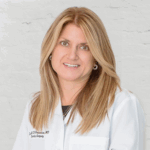
Dr. Lisa DiFrancesco
Dr. Lisa DiFrancesco is a female board-certified plastic surgeon based in Atlanta, GA. Her specialties include, but are not limited to, body contouring after weight loss, skin tightening after weight loss, and abdominoplasty. She has won Castle Conolly Top Doctor for several years in a row, among other prestigious awards. Her expertise and experience makes her uniquely qualified to provide the utmost care and treatment for every patient.


