
NAD+: The Coenzyme at the Center of Cellular Longevity and Why It Matters in Peptide Therapy

NAD+ is not a peptide. It is a coenzyme, not a chain of amino acids, but a small organic molecule called nicotinamide adenine dinucleotide that is found in every living cell in the human body. Technically, NAD+ does not belong in a discussion built around peptide therapy.
DiFrancesco Plastic Surgery covers it anyway, and here is why.
Every patient who visits DiFrancesco Plastic Surgery for a serious integrated wellness protocol, including patients pursuing hormone optimization, growth hormone support, body recomposition, immune restoration, and cellular longevity, will encounter NAD+ as part of that conversation. NAD+ is not adjacent to the biology of the compounds discussed in this series. It is foundational to it. The sirtuins that Epitalon relies on to regulate cellular aging require NAD+ to function. The mitochondrial energy machinery that MOTS-C optimizes runs on NAD+. The PARP enzymes that repair the DNA damage accumulating with every decade of life consume NAD+ as their primary substrate. Every peptide in this series operates inside cells whose functional capacity depends on whether NAD+ is abundant or depleted.
A complete conversation about integrated longevity medicine cannot leave NAD+ out of it. DiFrancesco Plastic Surgery addresses it here with the same honesty about evidence, mechanism, and regulatory reality found throughout every post in this series.
What Is NAD+?
Nicotinamide adenine dinucleotide, or NAD+, is a coenzyme present in every living cell. It is not obtained by taking a supplement directly; instead, it is synthesized by the body from precursors including nicotinamide (niacin), nicotinamide riboside (NR), and nicotinamide mononucleotide (NMN). NAD+ participates in over 500 enzymatic reactions. Without it, mitochondria cannot generate energy, DNA repair machinery cannot function, and the protein family most closely associated with longevity, the sirtuins, goes silent.
The most clinically important fact about NAD+ is that its levels decline by approximately 60 percent between early adulthood and later life, with parallel declines documented in plasma, skin, liver, and skeletal muscle tissue. This is not theoretical. It is one of the most reproducible findings in the biology of aging, documented across multiple tissue types and confirmed in humans. The consequences of that decline, including reduced mitochondrial efficiency, impaired DNA repair, suppressed sirtuin activity, and increased inflammatory signaling, map directly onto the clinical experience of aging that patients describe at DiFrancesco Plastic Surgery.
Restoring NAD+ to levels closer to biological youth is, at minimum, a mechanistically rational strategy. The degree to which it translates into meaningful clinical outcomes is a more complicated subject, one that deserves honesty rather than marketing enthusiasm.
How Does NAD+ Work? Three Systems That Define Its Importance
Mitochondrial Energy Production
NAD+ is the primary electron carrier in oxidative phosphorylation, the process by which mitochondria convert nutrients into ATP, the cell’s usable energy currency. In this role, NAD+ alternates between its oxidized form (NAD+) and its reduced form (NADH), shuttling electrons through the mitochondrial electron transport chain. When NAD+ is depleted, this process becomes less efficient, and cells produce less ATP per unit of nutrient consumed. The practical result is what aging patients describe as fatigue, reduced recovery capacity, and the sense that the body runs less cleanly than it used to.
Sirtuin Activation: The Longevity Enzyme Connection
Sirtuins (SIRT1 through SIRT7) are a family of proteins that regulate gene expression, stress resistance, metabolic adaptation, inflammation, and DNA repair. They are among the most intensively studied proteins in longevity science. The critical constraint is that all seven sirtuins require NAD+ as a co-substrate to perform their enzymatic functions. When NAD+ declines, sirtuin activity declines with it, regardless of how genetically robust those sirtuins might otherwise be.
SIRT1 controls fat metabolism, insulin sensitivity, and the mitochondrial biogenesis that generates new mitochondria. SIRT3 governs mitochondrial function and oxidative stress defense. SIRT6 protects genomic stability and suppresses inflammatory gene expression. All three, and the four others, need NAD+ to do any of it. Restoring NAD+ to a younger baseline is, in a meaningful sense, restoring the operating capacity of the entire sirtuin network.
This is the mechanistic connection that has made NAD+ the most discussed molecule in longevity medicine over the past decade. It is not a superficial claim. The sirtuin-NAD+ axis is real biology.
PARP-Mediated DNA Repair: The Vicious Cycle
PARP enzymes (Poly(ADP-ribose) polymerases) detect and repair single-strand DNA breaks, the type of damage that accumulates from UV exposure, oxidative stress, environmental toxins, and the simple act of cellular replication across decades. PARP enzymes consume NAD+ as their working substrate.
As the body ages, DNA damage accumulates. More damage means more PARP activation. More PARP activation means more NAD+ consumption. More NAD+ consumption means less NAD+ available for mitochondrial function and sirtuin activity. This creates a vicious cycle in which aging increases DNA damage, which depletes NAD+, which impairs both energy production and the cellular aging defenses that sirtuins provide.
Restoring NAD+ breaks the cycle at its substrate level, giving PARP enzymes the fuel they need without starving the sirtuin network.
The Evidence: What the Research Actually Shows in 2026
An honest account matters here, because NAD+ exists in a space where clinical marketing frequently outpaces what controlled trials have established.
What the Preclinical Evidence Shows (Strongly)
In rodent studies, NAD+ augmentation, whether through NMN, NR, or direct administration, has demonstrated consistent improvements in mitochondrial function, muscle strength, metabolic health, endurance capacity, cognitive function, and lifespan extension across multiple aging models. A landmark 2016 paper in Science showed that NR treatment rejuvenated muscle stem cells in aged mice, improved muscle function, and extended lifespan. These animal results are reproducible, mechanistically well explained, and biologically compelling.
What the Human Evidence Shows (More Cautiously)
A February 2026 PRISMA-guided systematic review covering 33 human intervention studies (28 randomized) found that oral NR and NMN consistently demonstrated biochemical target engagement, meaning they reliably raised circulating and cellular NAD+ levels by 40 to 100 percent above baseline. The safety profile across all studies was favorable, with no significant adverse events at studied doses.
However, and this is the clinically important nuance, effects on functional, metabolic, vascular, and other healthspan-relevant outcomes were heterogeneous and often null or endpoint specific. The review echoed findings from a May 2026 NPR investigation and multiple independent analyses: the biochemical signal is clear and real, while the clinical translation is variable and often modest.
A 2023 randomized trial of subcutaneous NAD+ in adults over 45 reported significant improvements in energy and physical performance versus placebo. A 2018 NMN trial documented improvements in insulin sensitivity and muscle energy metabolism in healthy adults. These are real human signals, though they come from small trials with limited long-term follow-up.
The honest synthesis is that NAD+ reliably raises intracellular NAD+ levels, activates sirtuins and PARP in ways that are mechanistically correct, and shows strong and consistent animal longevity data, while human functional outcomes are real but variable and have not yet been confirmed in the large-scale trials that would establish a definitive clinical evidence standard.
This pattern repeats throughout this series: compelling biology, accumulating human signals, and evidence that has not yet reached the level of a definitive Phase 3 trial. That gap does not make NAD+ therapy inappropriate. It means the conversation should be calibrated, individualized, and honest.
IV, Subcutaneous, or Oral: The Delivery Decision That Defines the Protocol
NAD+ differs from every other compound in this series because delivery route is not just a preference. It is a substantive clinical decision with meaningfully different bioavailability, practicality, and evidence profiles.
IV Infusion
IV infusion is the oldest and highest-bioavailability route. NAD+ delivered intravenously enters circulation directly, achieving plasma concentrations that oral precursors cannot match. IV NAD+ is offered at clinics across the country, typically in 250 to 500 mg doses administered over several hours. It is not convenient, not inexpensive, and not supported by the same clinical trial volume as oral precursors. A 2019 pilot study noted that plasma NAD+ levels did not rise until approximately two hours into a six-hour infusion, with urinary clearance of metabolites increasing at the six-hour mark, raising questions about actual tissue delivery efficiency relative to the dose administered. IV infusion also causes dose-dependent flushing, nausea, and transient discomfort that oral and subcutaneous routes avoid. For clinical loading and acute NAD+ restoration, IV has a rationale. As a maintenance strategy, it is neither practical nor clearly superior to subcutaneous administration.
Subcutaneous Injection
Subcutaneous injection is the practical middle ground that has grown significantly in clinical adoption. Subcutaneous NAD+ bypasses gut conversion steps entirely, delivering the coenzyme directly into circulation with near-complete absorption. The bioavailability advantage over oral precursors is meaningful, particularly for patients in whom variable gut conversion limits the ceiling of what oral NMN or NR can achieve. Typical subcutaneous doses are 100 to 200 mg per injection, several times per week. Mild injection-site stinging is the most common side effect, less pronounced than IV flushing. A practical loading approach used by many practitioners involves a four to eight week subcutaneous loading phase, followed by oral precursor maintenance.
Oral Precursors (NMN and NR)
NMN and NR are not the same as NAD+. They are precursors that the body converts into NAD+ through enzymatic pathways. This conversion step introduces individual variability: some patients raise NAD+ substantially with oral NMN, others less so. However, oral NMN and NR have the most extensive human clinical trial data of any NAD+ delivery method, are the most convenient for long-term maintenance, and consistently demonstrate biochemical target engagement in controlled studies. NMN has a specific cellular transporter (Slc12a8) that gives it a potential advantage over NR for muscle tissue uptake specifically.
A practical note on methyl donors: sustained NAD+ synthesis through NMN or NR can deplete methyl groups, a process that runs through the methylation cycle. Combining oral NAD+ precursors with TMG (trimethylglycine) supplementation is a common clinical practice to sustain the conversion process and prevent methylation depletion with long-term use.
The Combination Strategy
Many experienced practitioners use injectable NAD+, whether IV or subcutaneous, for the loading phase, achieving rapid NAD+ repletion in tissues, then transition to oral NMN or NR for maintenance. This strategy leverages the bioavailability advantage of injection for initial restoration while using the evidence base and convenience of oral precursors for sustained support. It is not a protocol based on a single published randomized controlled trial. It is a clinically derived approach based on the pharmacology of each delivery method.
NAD+ in the Context of the Full Protocol
The patient groups DiFrancesco Plastic Surgery considers most seriously for NAD+ optimization include the following.
Post-weight-loss patients managing metabolic recalibration: Significant weight loss depletes mitochondrial function and alters metabolic enzyme activity. NAD+’s role in mitochondrial efficiency and sirtuin-mediated metabolic adaptation is directly relevant. Alongside MOTS-C (mitochondrial signaling) and AOD-9604 (fat metabolism), NAD+ addresses the cellular energy substrate that underlies all of those mechanisms.
Post-surgical recovery patients: Surgery is a significant oxidative and cellular stress event. PARP-mediated DNA repair activity increases post-operatively, and NAD+ depletion during this period impairs not only DNA repair but the sirtuin-regulated gene expression that governs inflammatory resolution and tissue remodeling. Supporting NAD+ levels in the peri-operative window has a rational biological basis even though formal peri-surgical randomized trial data remains limited.
Patients over 50 on comprehensive longevity protocols: The sirtuin connection to every other longevity mechanism in this series, including Epitalon’s telomere biology, MOTS-C’s mitochondrial signaling, Semax’s BDNF-mediated neuroprotection, and Thymosin Alpha-1’s immune restoration, is real and direct. NAD+ is the substrate those systems run on. Optimizing the substrate optimizes the system.
Patients with cognitive concerns, fatigue, and brain fog: SIRT1 and SIRT3 govern neuronal energy metabolism. NAD+ repletion in preclinical Alzheimer’s and Parkinson’s models has shown meaningful improvements in cognitive markers. Early human clinical signals from long COVID and neurodegenerative disease contexts suggest neurological benefit. This evidence is preliminary but mechanistically coherent.
An Important Note on the Cancer Question
NAD+ is required by every rapidly dividing cell, including cancer cells, which use NAD+ for their own energy metabolism. The theoretical concern that NAD+ supplementation could provide metabolic fuel to existing tumors is real and should be named honestly.
The counterargument, also real, is that sirtuins have well-documented tumor-suppressive functions, and PARP-mediated DNA repair prevents the mutations that initiate carcinogenesis. The net effect of NAD+ on cancer biology depends on which pathway dominates in a given context, and that question has not been resolved definitively.
DiFrancesco Plastic Surgery does not initiate NAD+ protocols in patients with active malignancy without oncology consultation. For patients with a history of cancer in remission, the conversation is nuanced and individualized. For healthy adults pursuing longevity protocols, the available evidence does not support withholding NAD+ therapy on cancer-risk grounds, but patients deserve to know the theoretical concern exists.
Frequently Asked Questions About NAD+
Is NAD+ a peptide?
No. NAD+ is a coenzyme, a small organic molecule found in every living cell. It is not an amino acid chain. It is covered in this series because it is an essential substrate for the biological systems that peptide therapy aims to optimize.
What is the best way to take NAD+?
The best delivery method depends on the goal. Subcutaneous injection offers the best bioavailability for rapid repletion, while oral NMN or NR has the most human clinical trial data and is most practical for long-term maintenance. Many experienced practitioners combine a loading injection phase with oral maintenance.
How much does NAD+ actually decline with age?
Plasma NAD+ drops approximately 60 percent between early adulthood and later life, with parallel tissue declines documented in skin, liver, and skeletal muscle. This is one of the most reproducible findings in aging biology.
Do human clinical trials support NAD+ therapy?
Oral NMN and NR consistently raise NAD+ levels in humans. A 2026 systematic review of 33 human studies found consistent biochemical target engagement and a favorable safety profile, but functional and clinical outcomes were heterogeneous and often null or endpoint specific. The underlying biology is sound, and the human efficacy evidence is accumulating but not yet definitive for most wellness indications.
What is the difference between NMN and NR?
Both are NAD+ precursors converted by different enzymatic pathways. NMN has a cellular transporter (Slc12a8) that may advantage muscle tissue uptake, while NR has a longer human clinical trial track record. Most practitioners consider them similarly effective, and individual response varies.
The Bottom Line on NAD+
NAD+ is the most foundational molecule in cellular longevity biology, the coenzyme that powers mitochondrial energy production, licenses sirtuin activity, and fuels PARP-mediated DNA repair. Its decline with age is one of the most reliably documented findings in aging science. Oral precursors (NMN, NR) consistently raise NAD+ levels in humans with a strong safety profile, and functional clinical outcomes are real but variable.
Subcutaneous injection offers superior bioavailability for loading protocols. IV infusion achieves the highest plasma concentrations with practical limitations. The sirtuins and mitochondrial systems that every longevity peptide in this series relies on cannot function optimally without adequate NAD+, which is precisely why it belongs in this series despite not being a peptide.
Volume Three, Post 1 of 2, DiFrancesco Plastic Surgery Peptide Series. Previous volumes covered eleven peptides across growth hormone optimization, metabolic medicine, tissue repair, immune function, skin remodeling, cellular longevity, neurological performance, anti-inflammation, and mitochondrial medicine.
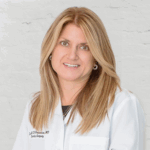
Dr. Lisa DiFrancesco
Dr. Lisa DiFrancesco is a female board-certified plastic surgeon based in Atlanta, GA. Her specialties include, but are not limited to, body contouring after weight loss, skin tightening after weight loss, and abdominoplasty. She has won Castle Conolly Top Doctor for several years in a row, among other prestigious awards. Her expertise and experience makes her uniquely qualified to provide the utmost care and treatment for every patient.


