
What Are Exosomes—and Why Are They Everywhere in Aesthetic Medicine?
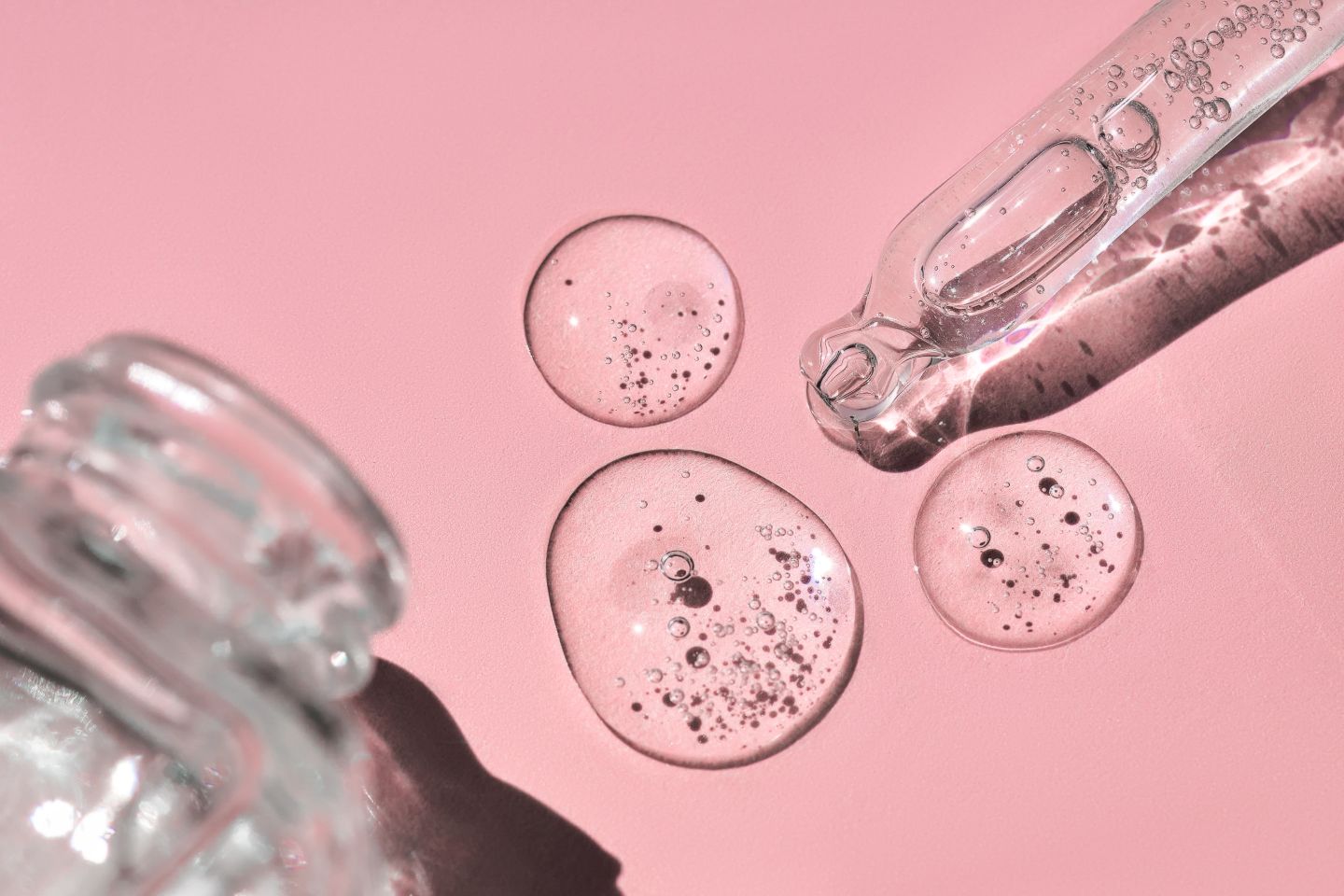
In the simplest terms, exosomes are microscopic messengers—tiny extracellular vesicles (about 30–150 nanometers wide) naturally released by our cells.
Their job is to carry information—proteins, lipids, and RNA—from one cell to another, influencing how neighboring cells behave, heal, and regenerate.
Originally studied in stem cell biology, exosomes are now being investigated as a cell-free alternative to regenerative therapy. Rather than transplanting entire cells, we can deliver their beneficial “signals”—a concept that’s transforming how we think about repair and rejuvenation.
In aesthetics, exosomes are being used to stimulate collagen, calm inflammation, and accelerate healing—especially after procedures such as microneedling, lasers, or chemical peels.
How Exosomes Work: Regeneration by Communication
Healthy, youthful skin depends on strong communication between fibroblasts, keratinocytes, and immune cells.
As we age—or when skin is damaged—that communication breaks down.
Exosomes can reignite those conversations, triggering the production of new collagen and elastin, reducing oxidative stress, and improving overall texture and tone.
In laboratory studies, exosomes derived from mesenchymal stem cells (MSCs) have shown the ability to:
- Enhance collagen synthesis
- Reduce UV-induced inflammation
- Promote angiogenesis (formation of new blood vessels)
- Improve skin barrier function and hydration
This is why many clinicians now combine exosomes with energy-based or resurfacing procedures—to optimize healing and outcomes.
The Promise—and the Caution
While the results are promising, the science is still developing.
Much of the current enthusiasm comes from preclinical research and small pilot studies. Human trials are limited, though early findings suggest improvements in elasticity, pigmentation, and fine lines.
That said, not all exosomes are created equal.
Their efficacy depends heavily on:
- Source (human, plant, or synthetic)
- Purification and storage methods
- Delivery vehicle (serum, injectable, or microneedling adjunct)
Some “exosome” serums on the market may contain exosome-mimicking liposomes rather than true biologic vesicles.
Medical vs. Cosmetic Exosomes: Know the Difference
TypeSourceDelivery MethodUse CaseMedical-grade (Clinical)Human stem-cell or platelet-derivedInjected or applied post-procedureHealing, scar modulation, tissue repairCosmetic (Topical)Plant or lab-engineered vesiclesCreams, serums, masksHydration, antioxidant support, barrier restoration
For patients, this distinction matters.
Medical-grade exosomes should be used in a clinical setting—under sterile conditions, with transparency about sourcing and quality control. Cosmetic formulations, while potentially beneficial, should be viewed as supportive rather than therapeutic.
What to Look for When Considering Exosome Treatments
- Transparency — reputable companies will disclose the origin and handling of their exosomes.
- Evidence — seek products or protocols with published data, not just marketing language.
- Storage conditions — true biologic exosomes often require cold storage.
- Integration — exosomes work best as adjuncts, not stand-alone miracles. They enhance healing when used with proven modalities.
- Oversight — treatments should always be administered by qualified medical professionals.
My Professional Perspective
As a plastic surgeon, I see exosomes as a powerful tool—if used responsibly.
They represent an evolution toward regenerative aesthetics, where we guide the body to heal and rejuvenate itself rather than simply conceal aging changes.
However, it’s crucial that innovation doesn’t outpace evidence. We must continue to demand peer-reviewed research, ethical manufacturing, and clear regulatory standards before exosomes move from promising science to standard practice.
Used judiciously, exosomes have the potential to elevate outcomes in both surgical and non-surgical rejuvenation—and perhaps redefine what we mean by “anti-aging.”
Key Takeaways
- Exosomes = Cellular communication vehicles for repair and regeneration
- Early evidence shows improved healing, collagen stimulation, and reduced inflammation
- Clinical studies are limited, and product quality varies widely
- Ideal use is in controlled medical environments as a complement to established treatments
- Cautious optimism is the right approach
We are pleased to announce the addition of Plated Skin Science Collection to our office. Revolutionary skin care powered by platelet-derived exosomes.
Dr. Lisa DiFrancesco
Dr. Lisa DiFrancesco is a female board-certified plastic surgeon based in Atlanta, GA. Her specialties include, but are not limited to, body contouring after weight loss, skin tightening after weight loss, and abdominoplasty. She has won Castle Conolly Top Doctor for several years in a row, among other prestigious awards. Her expertise and experience makes her uniquely qualified to provide the utmost care and treatment for every patient.


