
Why GLP-1 Weight Loss Can Trigger Hair Shedding, and How to Restore Healthy Growth
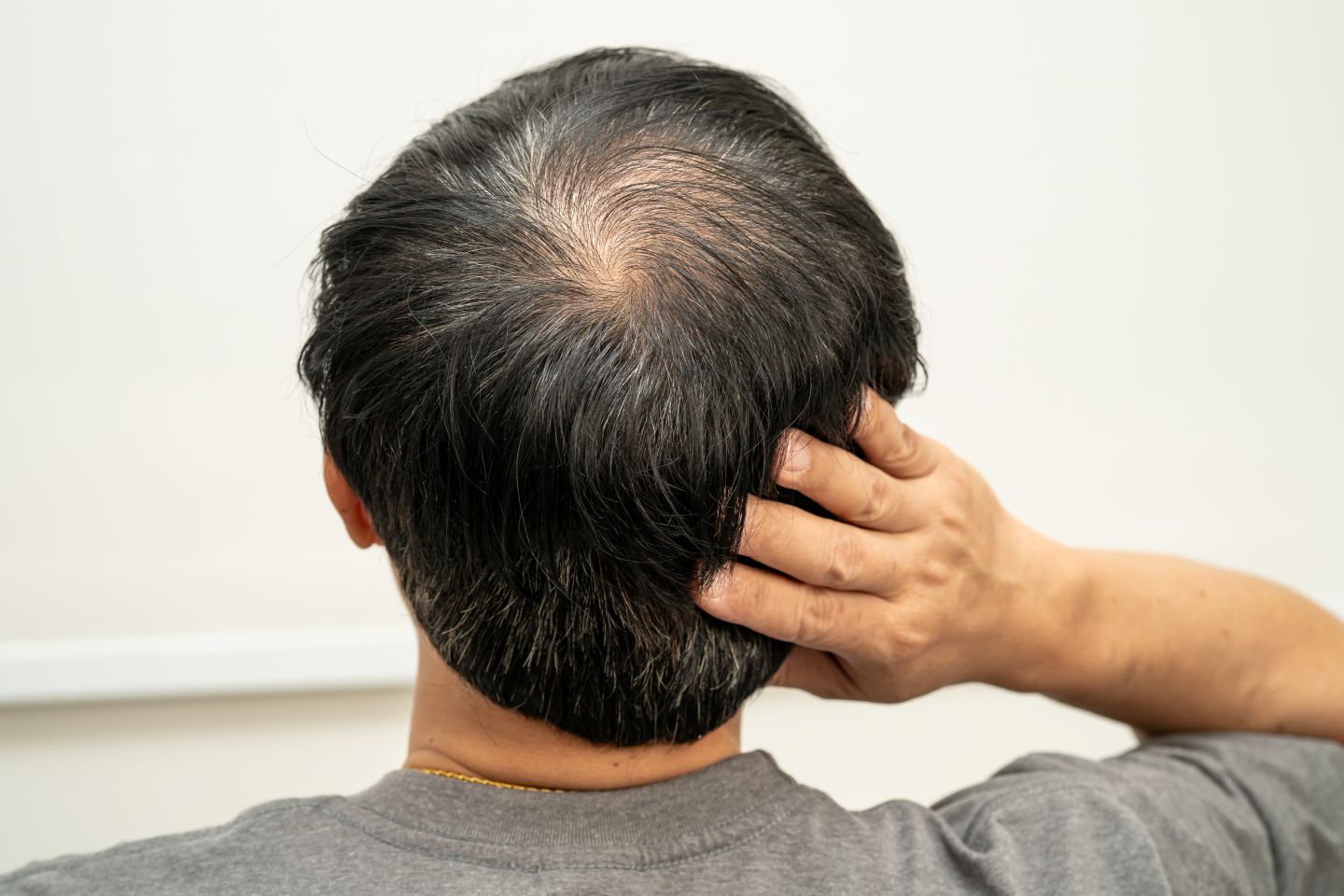
Over the past year, I’ve seen a growing number of patients achieving remarkable weight-loss success with GLP-1 medications. Along with the transformation, however, many of them walk into my office with a new concern:
“I love the weight loss, but my hair is shedding like crazy. Is the medication causing this?”
The good news: GLP-1 medications do not directly cause hair loss. However, rapid weight loss can.
Let’s unpack what’s really happening, how your hair growth cycle gets disrupted, and the steps you can take to restore fuller, stronger, healthier hair.
The Real Culprit: Telogen Effluvium
Most GLP-1–related hair loss is due to a condition called telogen effluvium, a temporary and reversible shedding pattern. It happens when the body is under physiological stress — like rapid weight loss, inflammation, hormonal shifts, or nutritional deficiency.
When your body is shedding pounds, it also shifts priorities—preserving energy for vital functions such as heart, brain, and liver health. And while hair is biologically beautiful, it is not essential for survival.
So, hair follicles take a temporary rest—triggering shedding.
Common Hair Loss Triggers Seen in GLP-1 Patients
The main trigger for hair loss is dropping 10% body weight within 3–6 months. Physiological stress can cause follicles to shift into shedding.
- Physiologic stress → follicles shift into shedding
- Low protein intake (<60g/day)-Hair growth slows; strands become brittle
- Low ferritin, zinc, biotin, Vitamin D- Disrupts hair cycling and keratin production. Gut changes, decreased nutrient absorption.
- Telogen effluvium / thinning-Hormonal shifts (thyroid, estrogen, insulin) which is especially common in women over 40
- Perimenopause + GLP-1 → double impact
- Amplified thinning around temples and part line
How We Diagnose: Lab Work Worth Checking
If hair loss appears more than 3–4 months after starting GLP-1 therapy, I typically evaluate:
- Hair growth needs ferritin >70 ng/mL
- Low levels of Vitamin D, B12, and Folate slow follicle activity
- Zinc and Copper impact Keratin infrastructure
- Thyroid shifts cause shedding
- CBC, CMP protein or nutrient imbalances
Nutrition and Hair Health During GLP-1 Medication
Hair needs protein, minerals, and collagen to stay in active growth mode. Here are ideal targets:
- Protein-0.8–1.0 g per pound of goal weight
- Ferritin-Above 70 ng/mL
- Biotin2,-500–5,000 mcg daily (if deficient)
- Omega-3s-1–2 g daily
- Collagen peptides-10–15 g daily
Many patients see hair shedding improve after simply increasing protein and correcting ferritin.
In-Office Regenerative Treatments That Work
In my practice, we focus on treatments that support follicle recovery and stimulate active hair growth:
- PRP (Platelet-Rich Plasma)Stimulates dormant follicles; excellent for telogen effluvium and early thinning
- Exosome TherapyPowerful regenerative signaling for growth and density
- Microneedling with growth factorsCreates channels for better follicle stimulation
- Low-level laser (cap) therapyAt-home maintenance and scalp circulation
- Topical or oral minoxidilEspecially helpful for pattern thinning
When Will Hair Grow Back?
- 0–3 months of weight loss-Peak hair loss
- 3–6 months-Regrowth begins
- 6–9 months-Noticeable improvement
- 9–12 months
The hair you lose today likely started transitioning out of growth phase weeks or even months ago.
Patience matters — and so does restoring the right internal environment.
What I Tell My Patients
“Your hair follicles are not damaged — they’re just resting.
As long as we correct nutrition, support the scalp environment, and stimulate regrowth,
your hair cycle can normalize and recover.”
Final Takeaway
GLP-1 medications aren’t causing hair loss — but if you’re transforming your body,
you need to support your hair biology too.
Healthy weight loss should never come at the expense of hair, skin, or confidence.
If you’re experiencing hair thinning while on GLP-1 therapy, my team offers customized hair restoration and nutritional optimization programs — including Exosomes, and personalized supplementation plans.
Dr. Lisa DiFrancesco
Dr. Lisa DiFrancesco is a female board-certified plastic surgeon based in Atlanta, GA. Her specialties include, but are not limited to, body contouring after weight loss, skin tightening after weight loss, and abdominoplasty. She has won Castle Conolly Top Doctor for several years in a row, among other prestigious awards. Her expertise and experience makes her uniquely qualified to provide the utmost care and treatment for every patient.


